

Exploring the Future: The Power and Beauty of Parametric Design


In the ever-evolving landscape of design, one concept has been making waves and reshaping the way we approach creativity – parametric design. This innovative approach to design leverages algorithms and parameters to create complex, dynamic, and highly adaptable structures that not only push the boundaries of aesthetics but also redefine functionality. In this blog, we'll delve into the fascinating world of parametric design, exploring its origins, principles, applications, and the profound impact it has on various industries.
Origins of Parametric Design:
Parametric design is rooted in the convergence of computer technology, advanced algorithms, and design thinking. The term "parametric" refers to the use of parameters – variables that define a system – to generate and manipulate complex forms. The early seeds of parametric design were sown in the mid-20th century with pioneers like Ivan Sutherland and his groundbreaking work in computer graphics. However, it wasn't until the late 20th century that architects and designers began fully harnessing the potential of parametric design.
Principles of Parametric Design:
At its core, parametric design is driven by the idea of establishing relationships between various parameters to create intricate and responsive designs. These designs are not static; they can adapt and evolve based on changing conditions or user inputs. The key principles of parametric design include:
1. Algorithmic Thinking: Parametric design relies on the use of algorithms – a series of rules or instructions – to generate designs. These algorithms define the relationships between different design elements and how they respond to changes in parameters.
2. Flexibility and Adaptability: Parametric designs are highly flexible and adaptable. They can be easily modified by adjusting the parameters, allowing designers to explore a wide range of possibilities and iterations.
3. Performance-Based Design: Parametric design often focuses on optimizing the performance of a structure or system. Whether it's improving energy efficiency in architecture or enhancing aerodynamics in product design, parametric solutions are driven
by data and performance metrics.
Applications of Parametric Design:
The versatility of parametric design extends across various industries, transforming the way we approach architecture, product design, and even art. Some notable applications include:
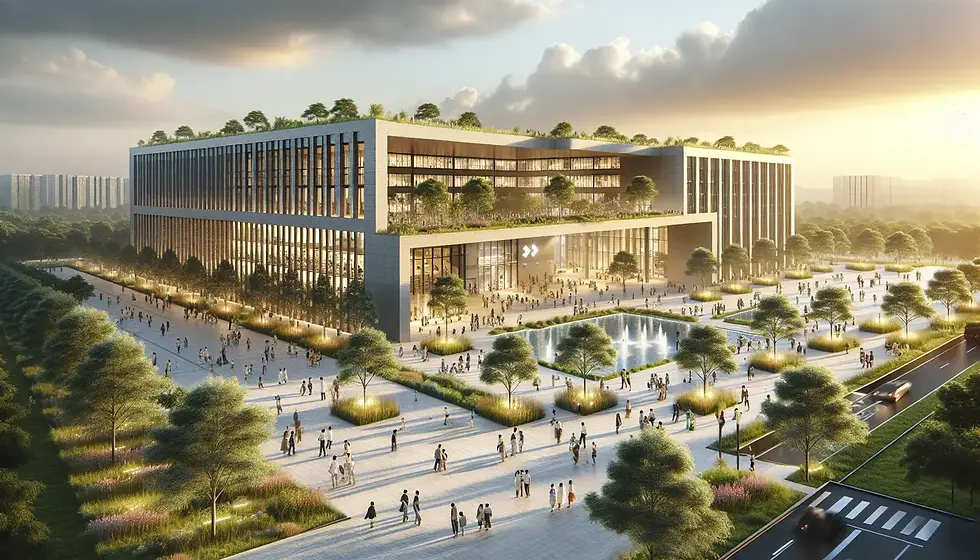
1. Architecture: Parametric design has redefined architectural possibilities, enabling the creation of iconic structures with intricate façades, dynamic forms, and optimized environmental performance. Architects like Zaha Hadid and Frank Gehry have embraced parametric design to push the boundaries of architectural innovation.
2. Product Design: In the realm of product design, parametric principles are employed to create products with optimized functionality and aesthetics. From furniture to consumer electronics, designers leverage parametric tools to enhance the performance and visual appeal of their creations.
3. Art and Sculpture: Many contemporary artists use parametric design to create mesmerizing sculptures and installations. The ability to manipulate shapes and forms dynamically allows artists to express complex concepts and evoke emotional responses through their work.
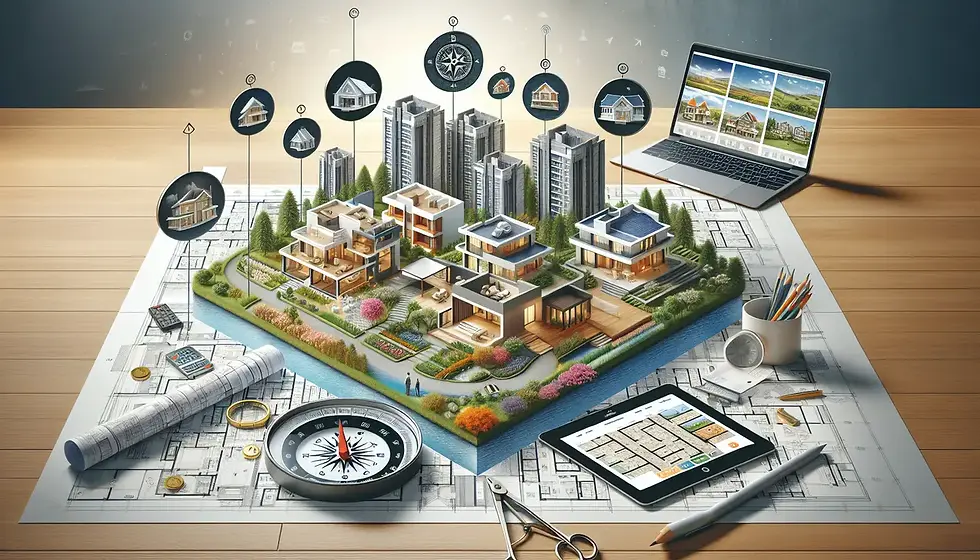
4. Urban Planning: Parametric design is also making waves in urban planning, helping designers and city planners create more sustainable and efficient urban environments. From responsive lighting systems to adaptive infrastructure, parametric principles contribute to the development of smart cities.
Conclusion:
Parametric design represents a paradigm shift in the world of creativity and problem-solving. Its fusion of technology, mathematics, and design thinking opens up new possibilities, challenging traditional notions and inspiring innovation across various disciplines. As we continue to embrace the power of parametric design, we can anticipate even more awe-inspiring structures, products, and artistic expressions that push the boundaries of what is conceivable. The future of design is dynamic, and parametric design is at the forefront, guiding us into a realm of limitless possibilities.
Comments