

Exploring the Integrated Design Approach in Commercial Projects

Introduction to Integrated Design in Commercial Projects
Integrated design isn't just a buzzword; it's a smart strategy in commercial construction that involves bringing everyone to the table early — from architects and engineers to contractors and clients. This team works together from the start, making sure decisions are made with all aspects of the project in mind. It's about finding the sweet spot where design, efficiency, sustainability, and cost intersect. Think of it like a symphony where each part makes the music better. By working collaboratively, teams avoid the all-too-common missteps and reworks that can bloat timelines and budgets. The payoff? Projects that are finely tuned to the client's needs and, ultimately, buildings that stand as a testament to the power of teamwork.
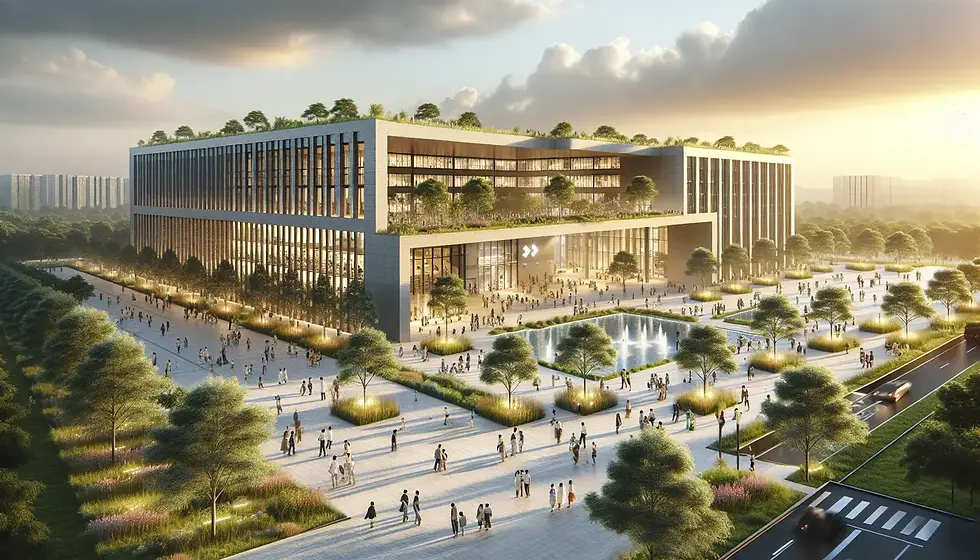
Key Principles of Integrated Design
Integrated design might sound fancy but at its core, it's about bringing people together – architects, engineers, builders, and clients – right from the get-go. Everyone has a say and a role in shaping the project, which helps catch problems early and innovate solutions.
Here's what it stands for:
Holistic Thinking: Projects aren't just buildings; they're systems that interact with the surroundings, with people, and with the environment. So, it's key to think bigger than just the bricks and glass.
Team Collaboration: From day one, every expert is part of the team. This unity sparks better ideas, smoother processes, and shared responsibility. It’s like having a group huddle before a big play.
Lifecycle Focus: Look at the whole life of a building, not just when it's shiny and new. This means considering how it will be used, maintained, and eventually, how it might be repurposed or taken down.
Sustainable Practices: Use resources wisely, focus on energy efficiency, and choose materials that have a friendlier handshake with nature. It’s about protecting tomorrow while building today.
With these principles, integrated design is more than just a method – it's a mindset. It’s about pulling the best from everyone to make a project that stands strong not just on opening day, but for years to come.
The Benefits of Using an Integrated Design Approach
When you dive into commercial projects, an integrated design approach stands out as a game changer. Think of it as a team huddle where architects, engineers, builders, and clients all join forces from the get-go. This method streamlines the project, since everyone's on the same page, hammering out the blueprint together. Efficiency skyrockets; you're not just saving time, you're also cutting down on costs. The build quality? Top-notch, because with real-time collaboration, problems get squashed early. Plus, sustainability is front and center—this approach is all about eco-friendly designs that also save energy in the long run. In short, an integrated design approach is the muscle that makes your commercial project smarter, smoother, and greener.
The Role of Collaboration in Integrated Design
Integrated design isn't a one-person show; it's a team sport. Think of everyone involved in a building project – the architects, engineers, contractors, and clients – they all come together with a common purpose. Their goal? To create a functional, sustainable, and cost-effective commercial space. Getting these minds to work as one requires clear communication and a shared vision early on. Here's the deal – when collaboration kicks in from the start, you dodge the bullet of costly redesigns and delays. It's about tossing ideas around and catching the best ones, making decisions not in silos but together. With everyone's expertise on the table, the project steers clear of the oh-no moments and heads straight for success. Remember, in integrated design, teamwork makes the dream work.
How Integrated Design Affects Project Timelines and Efficiency
Integrated design isn't just a buzzword; it’s a game-changer in how we tackle commercial projects. Think of it like a well-oiled machine—every piece working in harmony from the start. This method brings everyone to the table early—architects, engineers, contractors, and clients. And you know what? It speeds things up and smooths out kinks before they become headaches.
When you get all the brains to brainstorm together from day one, they spot potential problems that can slow you down way ahead of time. This proactive approach often leads to faster project completion because you're not backtracking to fix issues. Plus, communication is top-notch. No more playing broken telephone between different teams. Everyone hears the same message, which means fewer errors and less time explaining things over and over.
But it's not just speed we're talking about. It’s about efficiency too. Integrated design can actually save money in the long run. With everyone on board from the get-go, projects can be streamlined to cut waste and use resources more wisely.
So, to sum it up, integrated design can mean the difference between a project that drags on with hiccup after hiccup and one that moves like a sprinter out of the blocks—smooth, fast, and ready to win.
Case Studies: Successful Commercial Projects Using Integrated Design
When we talk about integrated design in commercial projects, we're looking at a method that involves all stakeholders—architects, engineers, contractors, and clients—working together from the start. This approach ensures everyone's on the same page, which can lead to more innovative and sustainable building designs. Let's break down a couple of case studies that show the success of this tactic.
First, let's look at The Edge in Amsterdam. It's dubbed the greenest building in the world. Why? Because the architects and engineers collaborated to embed smart technology and sustainable practices from day one. Natural lighting, a solar-powered roof, and an underground thermal energy storage system cut energy use drastically. It's not just about saving on bills; it's about setting a new standard in design.
Another success story comes from the Bank of America Tower in New York City. With the aim of achieving LEED Platinum certification, designers and constructors integrated features like a greywater system to reuse water, a high-tech air filtration system, and an ice storage plant for cooling the building. It stands tall not just in height, but in environmental responsibility too.
Integrated design in these cases wasn't an afterthought—it was the main strategy, proving that when teams think and work together from the get-go, commercial projects can achieve new heights in innovation and sustainability.
Integrating Technology and Innovation in Design
In the realm of commercial construction, marrying technology with design isn't just smart; it's essential. By integrating cutting-edge tech, businesses can boost efficiency, sustainability, and employee satisfaction. Tech inclusions range from energy-saving systems to smart building tech that adapts to how spaces are used. Innovations also often result in streamlined processes, cost savings, and even safety improvements. It's clear that when architects and engineers collaborate with tech experts from the get-go, the outcome can be a facility that's not only state-of-the-art but also a step ahead in future-proofing. So, remember, when innovation leads the design conversation, the potential for groundbreaking commercial spaces becomes limitless.
Overcoming Challenges in Integrated Design Implementation
Integrated design in commercial projects is like a team sport. Everyone from architects, engineers, to the client, plays a big part. Now, this method has its hurdles, right? First off, communication lapses can lead to project missteps. To dodge this, it’s key that the whole team talks openly and regularly. Then, there's the challenge of unaligned goals. Each player must focus on the common goal, instead of just their piece of the pie. Another big one is resisting change. Folks tend to cling to the "we've always done it this way" mentality. Overcome this by showing them the value of new strategies and how it can save cash and time in the long haul. Lastly, time constraints can add pressure. An integrated design needs everyone to map out the plan from the get-go, so taking the time to plan upfront is crucial. Handle these challenges head-on, and you'll see a smoother road to a winning project.
The Future of Integrated Design in Commercial Construction
Integrated design is revolutionizing how commercial construction projects are handled. It's not just a trend; it's the future. Forget about siloed work; integrated design brings together architects, engineers, builders, and clients right from the start. Everyone collaborates, aiming to optimize the building's performance, ensure sustainability, and keep costs in check.
Why does this matter? Because when teams work together early on, they spot problems before they become expensive headaches. Buildings are smarter, greener, and more user-friendly. We're talking about higher energy efficiency and spaces that people actually enjoy using.
Plus, costs are nailed down earlier. No more wild budget blowouts. With the whole team on board, you get a tighter handle on what the project's going to cost.
So, what's in store for integrated design? It's set to dominate the industry. Owners are demanding smarter buildings, and regulations are getting stricter. Integrated design is how we get there – by treating a building like a complex puzzle where each piece is crucial. Expect this approach to keep getting more traction as it proves its worth on the ground.
Conclusion: The Impact of Integrated Design on the Industry
Integrated design isn't just a buzzword; it's revolutionizing how commercial projects come to life. By fostering collaboration from the get-go, all players—architects, engineers, contractors, you name it—sit together, roll up their sleeves, and push towards a unified goal. No more disjointed efforts. No more miscommunication mishaps. This synergy not only saves time and money but also sharpens the project's sustainable edge, a huge win for both client wallets and planet Earth. And let's not forget, a smoother process means fewer headaches, and who wouldn't sign up for that? Industry-wise, we're staring at a future where integrated design isn't the exception, but the standard—a future where buildings are not just built, but smartly and collaboratively forged.

Comments