

Embracing Nature: The Essence of Biophilic Design in Modern Architecture

In a rapidly urbanizing world, where concrete jungles dominate our surroundings, the need to reconnect with nature has never been more essential. Biophilic design emerges as a solution, seamlessly blending the built environment with the natural world. This innovative approach not only enhances the aesthetic appeal of spaces but also contributes to our overall well-being.

What is Biophilic Design?
Biophilic design is an architectural philosophy that seeks to incorporate elements of the natural environment into the built space. It goes beyond merely adding a few potted plants; it is about creating a harmonious and symbiotic relationship between humans and nature within the structures we inhabit. The term "biophilia" itself, coined by biologist E.O. Wilson, refers to the innate human tendency to seek connections with nature.
Key Principles of Biophilic Design:
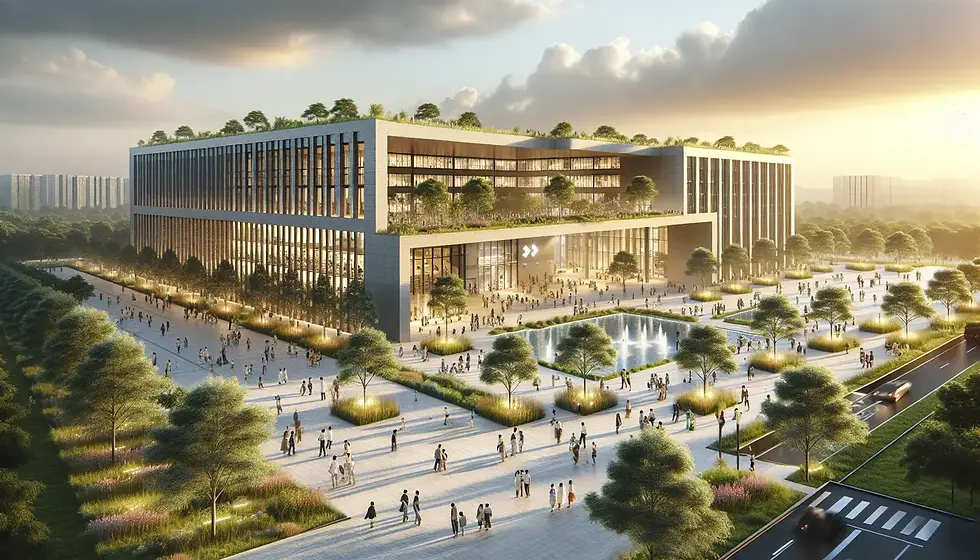
Nature in the Space: Integrating natural elements such as plants, water features, and natural materials directly into the architecture helps establish a connection with the outdoors. Green walls, indoor gardens, or strategically placed windows offering views of nature are common examples.
Natural Light and Ventilation: Maximizing the use of natural light not only reduces energy consumption but also positively influences our circadian rhythms ( the physical, mental, and behavioral changes an organism experiences over a 24-hour cycle. Similarly, ensuring adequate ventilation and access to fresh air contributes to a healthier indoor environment.
Organic Shapes and Patterns: Mimicking natural forms in design, such as incorporating curves and patterns inspired by leaves or shells, creates a visually appealing and calming atmosphere. This can be observed in the layout of furniture, architectural details, or even artwork.
Multi-Sensory Engagement: Biophilic design aims to engage all human senses. The sound of running water, the texture of natural materials, and the scent of plants contribute to a richer and more immersive experience within a space.
Integration of Biophilic Elements: Successful biophilic design seamlessly integrates nature into the overall design concept rather than treating it as an afterthought. This involves thoughtful planning and collaboration between architects, interior designers, and landscape architects.
Benefits of Biophilic Design:
Enhanced Well-being: Numerous studies have shown that exposure to nature has positive effects on mental health, stress reduction, and overall well-being. Biophilic design brings these benefits indoors, creating environments that support human health and productivity.
Increased Productivity: Workspaces with biophilic elements have been associated with higher levels of productivity and creativity. Employees in such environments often report lower levels of stress and improved job satisfaction.
Environmental Sustainability: Biophilic design promotes sustainable practices by encouraging the use of natural and eco-friendly materials. Additionally, strategies such as maximizing natural light reduce the need for artificial lighting, contributing to energy efficiency.
Conclusion:
Biophilic design represents a holistic approach to architecture that acknowledges the intrinsic connection between humans and the natural world. By integrating nature into our built environments, we can create spaces that not only please the eye but also nurture our physical and mental well-being. As we strive to strike a balance between urban development and ecological preservation, embracing biophilic design is a step towards a harmonious coexistence with the environment.


Comments