

Building Better Cities: 5 Easy Ways Architects Can Make a Difference


Architects play a crucial role in shaping the urban landscapes that define our cities. From designing iconic skyscrapers to revitalizing public spaces, their decisions have a lasting impact on the way we live, work, and interact with our surroundings. As urbanization accelerates and cities grapple with pressing challenges such as climate change, inequality, and infrastructure deficits, architects have a unique opportunity to lead the charge towards more sustainable, equitable, and vibrant urban environments. Here are five easy ways architects can make a difference in building better cities:
1. Prioritize Sustainability
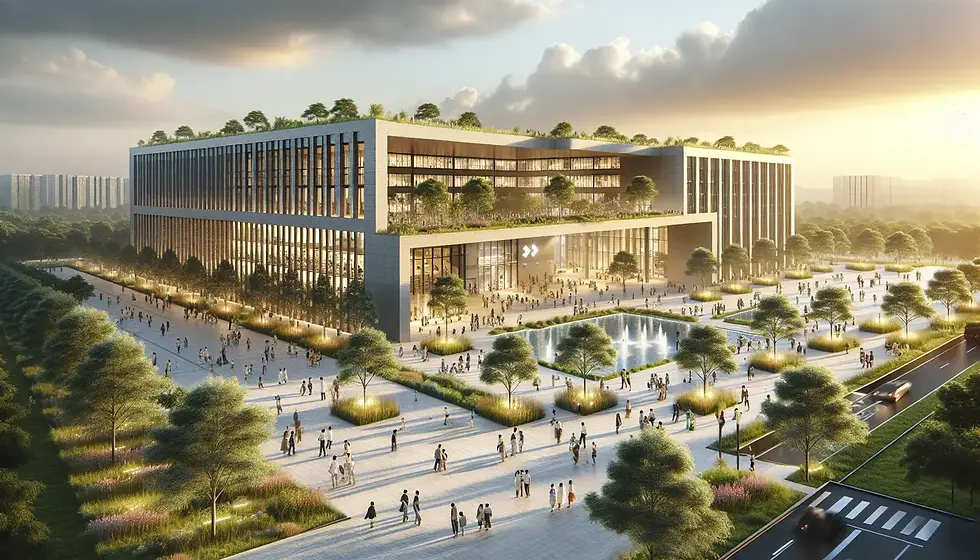
Incorporating sustainable design principles into architectural projects is key to reducing carbon emissions, minimizing resource consumption, and mitigating the impacts of climate change. Architects can prioritize sustainability by integrating passive design strategies, utilizing energy-efficient materials, and incorporating renewable energy systems such as solar panels and wind turbines into their designs. Additionally, green infrastructure elements such as green roofs, rain gardens, and permeable paving can help manage stormwater runoff and improve urban biodiversity.
2. Promote Inclusive Design
Inclusive design aims to create environments that are accessible and welcoming to people of all ages, abilities, and backgrounds. Architects can champion inclusive design by incorporating universal design principles into their projects, ensuring that buildings and public spaces are easily navigable and usable by everyone. This includes features such as ramps, elevators, tactile paving, and ergonomic seating arrangements. By promoting inclusivity, architects can help foster a sense of belonging and community in urban areas.
3. Foster Walkability and Connectivity
Designing cities for people, not just cars, is essential for promoting sustainable transportation, reducing traffic congestion, and enhancing public health. Architects can contribute to this goal by prioritizing pedestrian-friendly design features such as wide sidewalks, bike lanes, and pedestrian plazas. Creating mixed-use developments that combine residential, commercial, and recreational spaces within walking distance encourages active transportation and strengthens community connections. By fostering walkability and connectivity, architects can help create vibrant, livable urban environments.
4. Preserve Cultural Heritage
Preserving and celebrating cultural heritage enriches the fabric of urban life and fosters a sense of identity and belonging among residents. Architects can play a vital role in preserving historic buildings and landmarks through adaptive reuse projects that repurpose existing structures for new uses while retaining their architectural and cultural significance. Additionally, integrating elements of local culture and history into new developments through art installations, public monuments, and architectural motifs can help create a sense of place and reinforce community pride.
5. Embrace Smart Design Solutions
Advancements in technology present exciting opportunities for architects to incorporate smart design solutions into their projects, enhancing efficiency, convenience, and sustainability. From sensor-equipped buildings that optimize energy usage to smart transportation systems that reduce congestion and emissions, architects can leverage technology to create smarter, more resilient cities. By embracing innovation and interdisciplinary collaboration, architects can harness the power of data and connectivity to design cities that are responsive to the needs of residents and adaptable to future challenges.
In conclusion, architects have a profound impact on the built environment and the quality of life in cities around the world. By prioritizing sustainability, promoting inclusive design, fostering walkability and connectivity, preserving cultural heritage, and embracing smart design solutions, architects can play a pivotal role in building better cities that are equitable, resilient, and vibrant for generations to come.
Comments